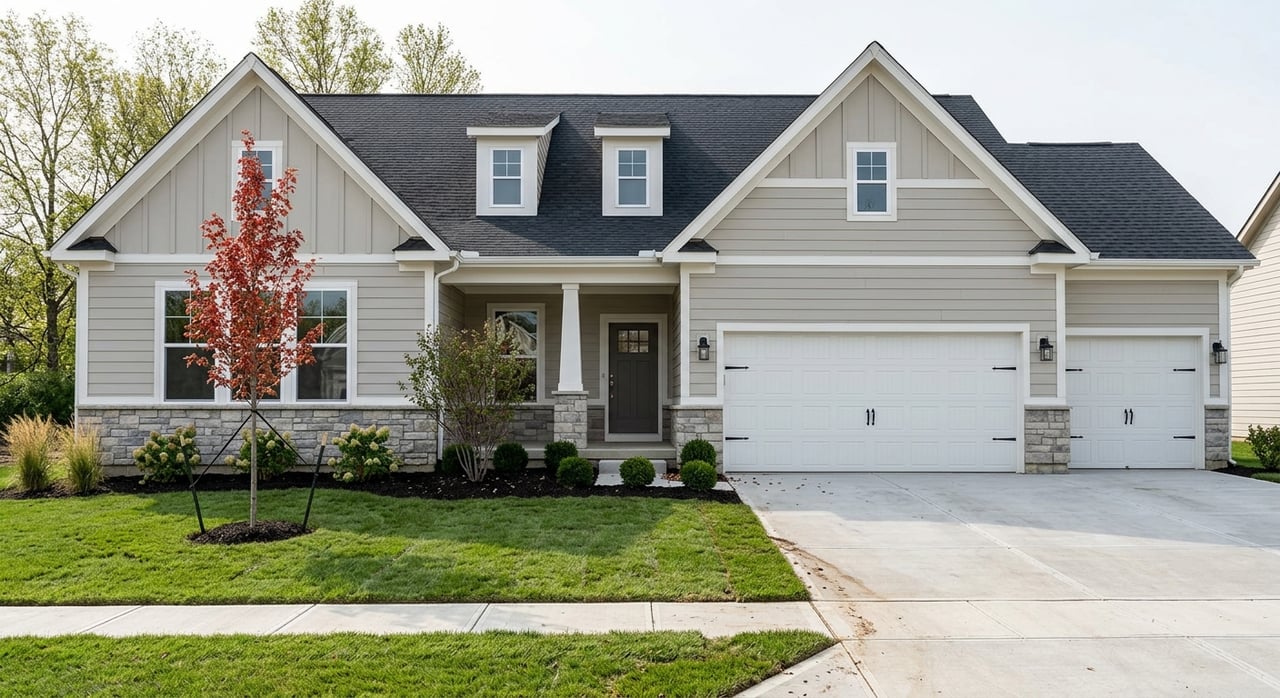
Thinking about building a home in the Finger Lakes? The biggest surprise for many buyers is simple: new construction usually takes months, not weeks. If you want a realistic picture of what happens between choosing a lot and getting your keys, this guide will help you plan with more confidence and fewer last-minute surprises. Let’s dive in.
What timeline should you expect?
For many Finger Lakes buyers, a reasonable planning range is about 8 to 12 months from permit or construction start to closing on a ready-lot semi-custom home. For more custom projects, especially those involving subdivision review, septic or well work, driveway permits, or winter interruptions, the timeline can stretch to 12 to 15 months or longer.
That range reflects a mix of national construction timing data and the local approval steps common in this region. It is best used as a planning benchmark, not a guaranteed promise for every builder or property.
Why new construction takes time
A new home is not just a house under construction. It is also a series of approvals, inspections, scheduling decisions, and lender milestones that all have to stay aligned.
In the Finger Lakes, that often means balancing builder timelines with town review, county permits, utility coordination, and seasonal weather. Even a smooth project can hit pauses if one item takes longer than expected.
Phase 1: Lot selection and due diligence
The first step is not only finding a lot you like. You also need to understand whether the lot is ready for construction and what approvals may be required before work can begin.
In places like Victor, the local Planning and Building Office may be involved in building permits, planning, zoning, stormwater review, and construction inspection. If a parcel needs subdivision review, a variance, drainage review, or additional site planning, the calendar can grow before the first shovel hits the ground.
What to check early
- Lot lines and setbacks
- Road access and driveway placement
- Drainage and grading needs
- Utility availability
- Septic or sewer requirements
- Well requirements, if applicable
- Any need for planning or zoning review
A lot that looks straightforward on paper may still need several approvals. That is one reason experienced local guidance matters at the front end.
Phase 2: Design and permit application
Once the lot is selected, the next step is preparing the permit package. In New York, that package often includes site plans, floor plans, elevations, framing details, energy-code documentation, and septic or sewer approvals where needed.
For homes on private well or septic systems, additional documentation can add time. Site plans may need to show wells, septic systems, lot lines, and distances between structures and property boundaries.
Common permit package items
- Site plan
- Floor plans
- Exterior elevations
- Framing details
- Energy-code documents
- Septic or sewer approvals
- Percolation test results, when required
- Stormwater or erosion-control documents, when required
This stage can move quickly on a simple lot. It can also take longer if the property needs extra engineering or revisions before approval.
Phase 3: Local reviews and board schedules
One of the most overlooked parts of the new construction timeline is the public review calendar. In some towns, applications must be submitted weeks before a Planning Board or Zoning Board meeting.
For example, Victor requires Planning Board applications at least 5 weeks before a meeting date and Zoning Board applications at least 2 weeks before. If your project needs a lot split, variance, or site-plan review, that built-in waiting period can add meaningful time.
Why this matters for buyers
If you are comparing two homes or two lots, the one with fewer review hurdles may reach closing much sooner. A home site with clean approvals can be very different from one that still needs board action.
That does not mean a more complex lot is a bad choice. It simply means you should go in with a more realistic schedule.
Phase 4: Construction begins
After permits are issued, construction can finally start. National data show that many single-family homes begin in the same month the permit is issued, and more than 90% start within two months.
Still, a permit is not the same thing as move-in readiness. It authorizes the work to begin, but the home still has to go through every major building stage and pass inspections before occupancy.
Typical construction stages
- Excavation
- Foundation
- Framing
- Mechanical systems
- Interior finishes
- Final inspections
- Certificate of Compliance or Occupancy
In Victor, inspections are scheduled 24 hours in advance, and the final certificate is issued only after all inspections pass. That final step is what turns a construction site into a home that is ready for occupancy.
Phase 5: Closing and financing
For homes built for sale, the window from completion to closing is often fairly short. National data place that average at about 0.66 months.
Even so, financing can still affect the finish line. Construction loans are usually short-term and funded in stages, so timing changes may require updated lender documents or extra review.
Why lender coordination matters
If settlement is expected more than 60 days after the original Loan Estimate, revised disclosures may be needed. If permanent financing is delayed and the appraisal becomes more than 120 days old, an appraisal update may also be required.
That is why it helps to keep your lender informed as the build progresses. A delayed schedule does not always create a major problem, but silence can.
Where Finger Lakes delays happen most often
Some delays are national. Others are especially common in the Finger Lakes because of local permitting, rural infrastructure, and weather.
Here are the trouble spots buyers should watch most closely.
Planning and zoning review
New York sets statewide code standards, but local governments handle enforcement and may apply more restrictive standards. That means one town can move at a different pace than another, even for similar homes.
Driveway and utility permits
Ontario County requires a Highway Work Permit for work in the county right-of-way, including new driveways and new utility service connections. On rural or semi-rural parcels, driveway layout, culverts, and trenching can slow the schedule.
Septic and well approvals
If a property is not connected to public sewer or water, extra steps usually follow. New York requires individual wells to be installed by a DEC-registered well driller, and sewage-treatment plans must be submitted at least 30 days before construction and approved before work begins.
Stormwater and grading
Stormwater review can create back-and-forth between the builder, engineer, and local reviewers. If a site needs more grading or erosion-control detail than expected, approval can take longer.
How winter affects a build
In the Finger Lakes, weather is a real scheduling factor. Using Rochester as a regional proxy, winter and early spring bring cold temperatures and regular snowfall, which can affect excavation, concrete, exterior framing, and final grading.
December, January, and even March can be challenging months for predictable progress. April is usually milder, but it can still carry weather risk.
What buyers should expect seasonally
- Winter can slow excavation and foundation work
- Snow and freezing temperatures can affect concrete timing
- Exterior framing may move less predictably in cold stretches
- Final grading often waits for better ground conditions
- Early spring can still bring delays
The smart approach is to build in a buffer if your timeline crosses winter or the early spring shoulder season. A flexible move-in target is usually safer than a firm promise.
Custom vs. semi-custom timelines
Not every new construction home follows the same path. A home in an established new-home setting on a ready lot will usually move faster than a fully custom home on raw land.
Here is a simple way to think about it.
| Build Type | Typical Planning Range | Why It Can Move Faster or Slower |
|---|---|---|
| Ready-lot semi-custom | 8 to 12 months | Fewer land and approval unknowns |
| Custom on more complex parcel | 12 to 15+ months | More review, site work, and weather exposure |
The more moving parts involved before construction starts, the more time you should allow. Site complexity often matters just as much as the size of the home.
How to plan your timeline wisely
A realistic timeline starts with asking the right questions before you commit. Buyers who plan well are often better prepared for the normal ups and downs of a build.
Ask these questions early
- Is the lot fully build-ready?
- Will the project need Planning Board or Zoning Board review?
- Are septic, sewer, or well approvals still pending?
- Will a driveway or utility connection need county right-of-way permits?
- Is stormwater review required?
- Will construction run through winter?
- How often will the lender need timeline updates?
These questions can help you compare opportunities more clearly. They also make it easier to set expectations for your current lease, sale, or move.
Why local guidance makes a difference
New construction in the Finger Lakes is not just about picking finishes or choosing a floor plan. It is about understanding how local approval processes, land conditions, seasonality, and financing all connect.
When you have a clear view of that full picture, you can make better decisions from the start. You can also spot the difference between a project that is truly ready to move and one that may need more patience.
If you are weighing new construction, land, or a semi-custom home in the Finger Lakes, Griffith Realty Group can help you evaluate timelines, local factors, and the opportunities that best fit your goals.
FAQs
How long does new construction usually take in the Finger Lakes?
- For many buyers, a ready-lot semi-custom home may take about 8 to 12 months from permit or start to closing, while more custom projects can take 12 to 15 months or longer.
Why does a building permit not mean the home is almost finished?
- A permit allows construction to begin, but the home still must go through excavation, foundation, framing, mechanicals, finishes, inspections, and final occupancy approval.
What local issues most often delay Finger Lakes new construction?
- Common causes include planning or zoning review, driveway or utility right-of-way permits, septic or well approvals, stormwater review, and winter weather.
How does winter affect a Finger Lakes home build?
- Winter can slow excavation, foundation work, exterior framing, and final grading, and early spring can still be less predictable than many buyers expect.
What should Finger Lakes buyers tell their lender during a new construction project?
- You should keep your lender updated if the schedule changes, because delays can trigger revised disclosures, appraisal updates, or other financing steps.
Is a custom home timeline different from a semi-custom home timeline in the Finger Lakes?
- Yes. Semi-custom homes on ready lots often move faster, while custom homes on more complex parcels usually take longer because they may involve added approvals, site work, and weather exposure.