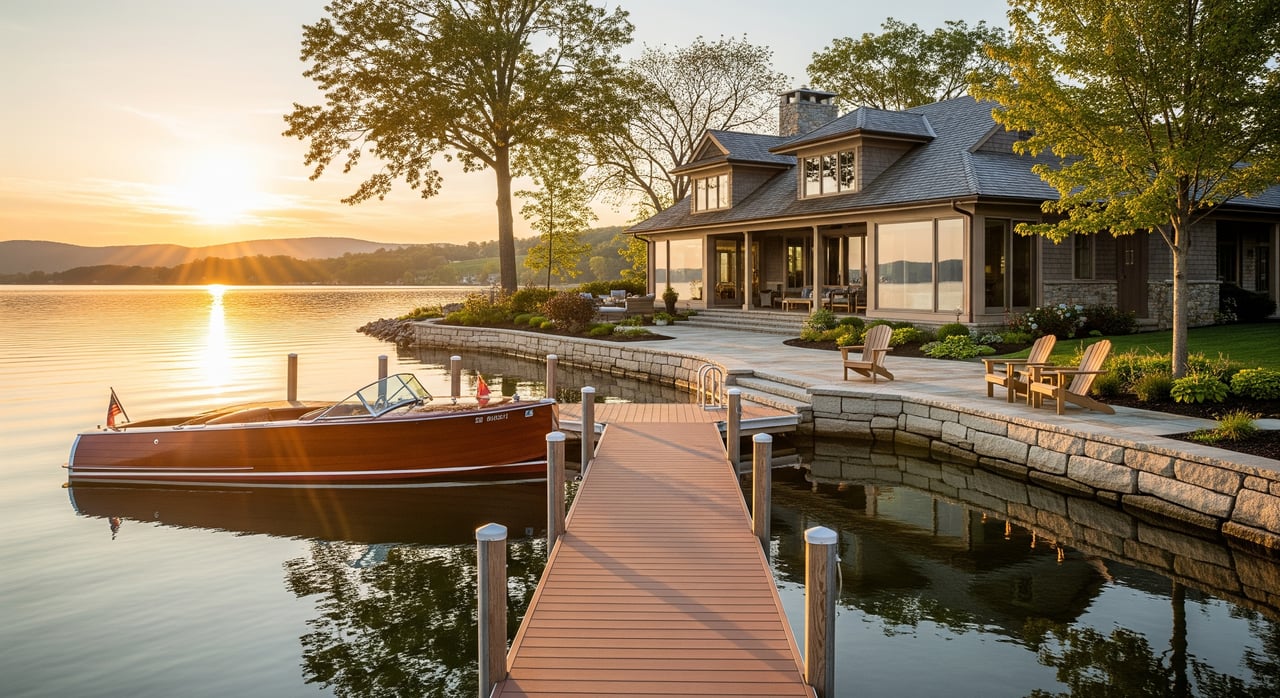
Buying on Canandaigua Lake is exciting, but it comes with rules, timelines, and maintenance that are different from typical homes. If you love the idea of mornings on the dock and sunset cruises, you also need a plan for permits, flood zones, and seasonal care. In this guide, you’ll learn the key steps to buying lakefront in Ontario County, how to navigate local regulations, and what to expect through all four seasons. Let’s dive in.
Understand shoreline rules first
Buying on the water means there are more layers of authority to consider. Requirements vary by municipality and even by parcel, so verify everything before you commit to a design change or a dock plan.
Zoning, setbacks, and lot coverage
Local zoning in the Town of Canandaigua, Town of Gorham, Town of Farmington, the City or Village of Canandaigua, and other lakeside jurisdictions may set shoreline setbacks for new structures. Some codes limit impervious surface area to protect water quality. Steep slopes and grading work often require specific erosion controls. Confirm exact rules with the relevant municipal building and zoning office for the property you are considering.
Docks, boathouses, and over‑water structures
Approvals for docks and shoreline structures often include multiple layers. You may need municipal permits, county approvals for shore disturbance, and state review if wetlands or protected waters could be affected. Where docks extend over state‑owned submerged lands, a lease or permit from the state may be required. Ownership and transfer of dock rights also vary, so determine whether an existing dock sits on private riparian land, is covered by an easement, or was installed under a prior revocable permit. Timelines for approvals can stretch from weeks to months, so factor that into your purchase and project schedule.
Wetlands, buffers, and water quality
Many lakefront parcels encourage or require vegetative shoreline buffers to reduce runoff. Some areas near the lake may be regulated freshwater wetlands, which can trigger state permitting and mitigation if altered. Follow regional guidance for invasive species prevention, like cleaning and drying boats, since programs in the Finger Lakes promote best practices to protect the water.
Floodplains and elevation
Check FEMA Flood Insurance Rate Maps to see if the parcel intersects a Special Flood Hazard Area. Flood zone designations can affect your lender’s requirements, insurance premiums, and acceptable building designs, including elevation standards. Your offer timeline should allow for verification of flood status and preliminary insurance quotes.
Plan for the seasons
Waterfront living in the Finger Lakes follows a seasonal rhythm. Expect different routines from spring setup through winter shutdown, whether you use the home year‑round or seasonally.
Typical lake timeline
- Spring to early summer: Many owners install seasonal docks and prepare boats for launch. Marina schedules fill up quickly, so secure services early.
- Mid to late summer: Peak recreational use and the most predictable boating conditions.
- Fall: Dock removal and lift storage are common to avoid ice damage.
- Winter: Homes that will be vacant need full winterization to protect systems.
Winterization and systems at risk
- Plumbing: Exposed and below‑grade lines must be winterized to prevent freeze damage. Seasonal homes often need full interior winterization if vacant.
- Wells and pumps: Private systems may require shut‑down procedures or backup power considerations.
- Septic: Confirm condition and compliance. Seasonal use can affect maintenance schedules and winter prep.
- Docks and lifts: Many owners remove or secure them before freeze. Leaving lifts in place risks ice damage in harsh winters.
- Insurance and utilities: Some insurers expect winterization steps for vacant homes, so confirm requirements.
Maintenance unique to lakeside
- Shoreline protection: Riprap, revetments, or nature‑based solutions may be needed and often require permits.
- Aquatic vegetation and algae: Water quality events can affect recreation. Local watershed and county groups monitor and advise.
- Wind and storm exposure: Waterfront structures can see stronger winds and spray. Evaluate roofing, windows, and bulkheads.
- Long‑term shoreline change: Review past shoreline alterations and any ongoing maintenance commitments.
Navigate the market like a local
Waterfront inventory is scarce. When a property fits your criteria, you need to be ready with alerts, financing, and contingencies to act quickly.
Inventory and timing
Direct waterfront is limited and typically sells at a premium. Listings often rise in spring and early summer when the lake shows its best, while winter can bring fewer listings and potentially less competition. Off‑market opportunities sometimes come through local networks and lake associations, so it helps to work with an agent who has on‑the‑ground relationships around Canandaigua Lake.
Set smart MLS alerts
- Use precise fields: Target “waterfront” or “lakefront,” and include shoreline details and dock status when available.
- Save multiple searches: One for strict lakefront, one for lake access through an association, and one broader set for “water views” or “dock” keywords.
- Expand your map: Include towns and neighborhoods around the lake since listings can appear under different municipal territories.
- Choose instant alerts: Notifications in real time help you tour and offer at speed.
Financing, appraisal, and insurance
- Appraisals: Sparse comparable sales can complicate valuation. Appraisers familiar with lakefront often use adjustments for waterfront premiums.
- Mortgages: Lenders may require flood insurance if the home is in a mapped floodplain and will review access and seasonal‑use details.
- Insurance: Flood coverage, wind and hail, and vacant‑home policies may all be relevant depending on location and occupancy plans.
Your due‑diligence checklist
Use this step‑by‑step list to keep your purchase on track.
- Confirm municipal jurisdiction and zoning for the parcel.
- Obtain a current survey showing lot lines and the shoreline or high‑water line.
- Verify riparian rights and any recorded dock or shore easements.
- Check FEMA flood maps and understand potential insurance requirements.
- Request copies of prior permits for docks, shoreline work, grading, or additions.
- Gather septic and well documentation, and schedule specialized inspections early.
- Hire a home inspector who understands waterfront issues and exposure.
- Ask the seller for a history of shoreline maintenance, erosion events, or dredging.
- After the offer, confirm whether dock and shoreline permits are required and transferable.
- If a dock is not included, verify marina slip availability and seasonal policies.
- Clarify snow‑removal responsibilities, especially for private lanes, and review any HOA rules.
Who to contact during research
Because requirements vary, contact the right offices early.
- Municipal building and zoning: Town of Canandaigua, Town of Gorham, Town of Farmington, City or Village of Canandaigua, and any other relevant lakeside jurisdiction for setbacks, lot coverage, and dock rules.
- Ontario County Planning Department and Ontario County Soil & Water Conservation District for shoreline and watershed guidance.
- New York State Department of Environmental Conservation for wetlands, water‑quality permits, and invasive species guidance.
- New York State Office of General Services if submerged lands or state bottomlands may be involved.
- FEMA National Flood Insurance Program or the local floodplain administrator to confirm flood zone status.
- Cornell Cooperative Extension and Finger Lakes watershed organizations for shoreline buffers, septic stewardship, and invasive species best practices.
- Local marinas and boat yards around Canandaigua Lake for slip availability, dock installation or removal schedules, and winter storage.
Work with a local lakefront team
Lakefront purchases move quickly and require careful coordination with municipalities, county and state agencies, inspectors, and marinas. You deserve a partner who understands the shoreline rules, seasonal realities, and MLS dynamics around Canandaigua Lake. With more than 40 years serving Ontario County and the Finger Lakes, Griffith Realty Group pairs local relationships with accurate MLS search tools to help you move decisively and confidently. Ready to talk strategy or set up targeted alerts? Contact Us for a Confidential Consultation with Griffith Realty Group.
FAQs
What permits do I need for a new dock on Canandaigua Lake?
- You may need municipal building or zoning approvals, possible county approvals for shore disturbance, and state review if wetlands or protected waters are affected. Confirm requirements for the specific parcel and whether submerged lands are state‑owned.
Do I need flood insurance for a Canandaigua Lake home?
- If a property is in a mapped floodplain and you use a mortgage, lenders typically require flood insurance. Even outside Special Flood Hazard Areas, many buyers choose coverage for added protection.
How are winterization and dock removal handled each year?
- Many owners winterize plumbing, wells, and septic systems if the home sits vacant and remove or secure docks and lifts in late fall to avoid ice damage. Marinas can assist with scheduling and storage.
How fast do lakefront listings sell around Canandaigua Lake?
- Inventory is scarce and desirable waterfront can move quickly, especially in spring and early summer. Instant MLS alerts and ready financing help you compete.
Who owns the lake bottom and what are riparian rights?
- Ownership varies by location. Some areas have state‑owned submerged lands, and waterfront owners typically have riparian rights up to the high‑water mark. Review the deed and check with the appropriate county or state offices.
What inspections are essential for a lakefront purchase?
- In addition to a standard home inspection, arrange septic and well evaluations, confirm shoreline conditions and past permits, and review flood mapping, dock status, and erosion controls for the property.