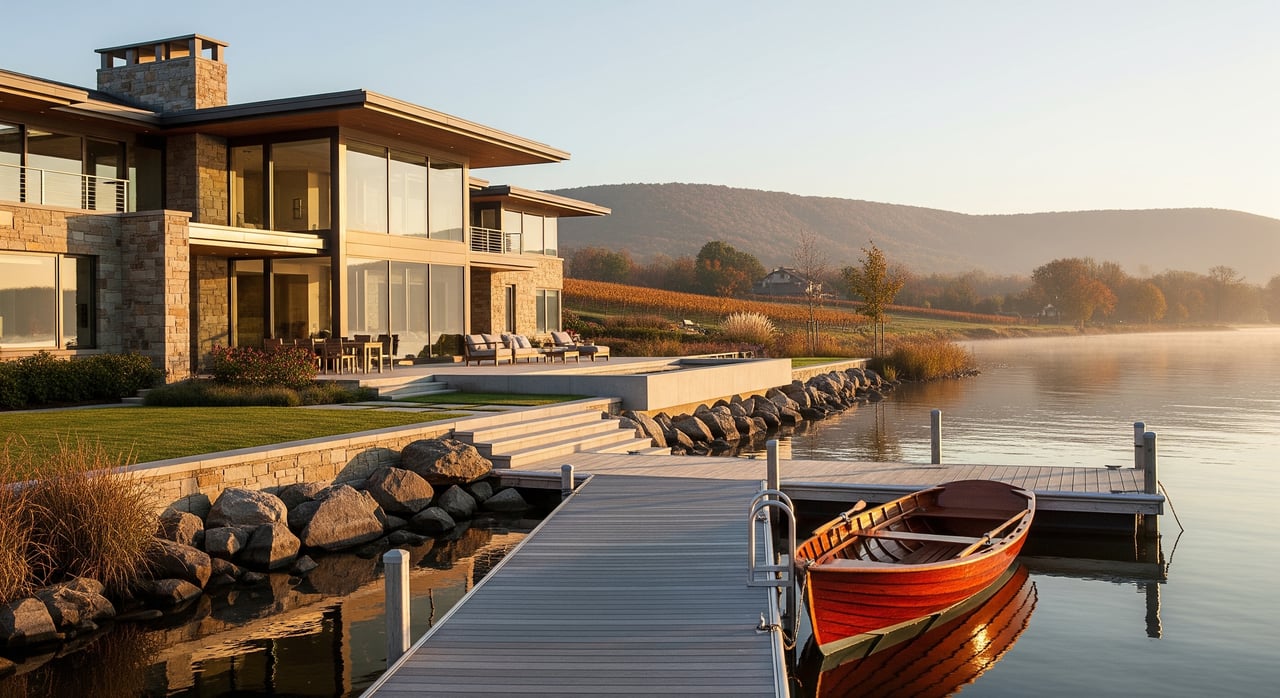
Imagine waking up to quiet water, birdsong, and a shoreline that changes with the seasons. If you are dreaming about a lakefront life in the Finger Lakes, you likely want both an easygoing pace and strong value for your investment. You also want a clear picture of the practical work that comes with owning waterfront. In this guide, you will learn what daily life looks like, how the seasons shape your routine, what rules and maintenance to expect, and how to plan your budget. Let’s dive in.
What daily life feels like
Owning a lakefront home in the Finger Lakes blends outdoor fun with simple routines. You can paddle before breakfast, read on the dock in the afternoon, and gather with friends in the evening. On weekends, you might host a cookout, explore wineries, or take a short trip to a nearby village for dinner and errands.
The feel differs by lake and shoreline. Some stretches are lively with boat traffic in summer. Others are quiet and tucked away. You will find that lake associations, volunteer cleanups, and seasonal events shape the sense of community.
Access to services is part of your day-to-day. Most lake homes are within 30 to 60 minutes of a village center for groceries, dining, and basic care. Larger cities like Rochester or Syracuse are often 1 to 2 hours away, so plan your appointments and supply runs with that in mind.
Seasons at the lake
Spring setup
Spring brings thaw, runoff, and the first sunny days on the water. It is the time to install docks, clear winter debris, and check the shoreline for erosion. You should schedule septic checks and plan small repairs while water levels and weather settle.
Summer peak
Summer is high season for boating, swimming, and outdoor living. Your dock, deck, and grill get daily use. Expect more visitors on the water and more traffic near marinas and village centers. Local festivals and community events add energy to weekends.
Fall reset
Fall brings crisp days and peak foliage. It is ideal for painting, small projects, and getting systems ready for winter. Vineyard harvests and wine events draw visitors, but the shoreline itself gets quieter as boats come out.
Winter readiness
In winter, some lakes freeze enough to allow ice activities where conditions are safe. You will winterize plumbing, shut down or protect exterior water lines, and secure or remove docks if needed. Reliable snow and ice removal becomes part of your routine.
Recreation and nearby amenities
The region offers boating for every pace. You can take out a powerboat, pontoon, sailboat, kayak, or paddleboard. Public launches and marinas operate on most lakes, though capacity varies and schedules depend on the season.
Fishing adds to the lifestyle. Many lakes host walleye, bass, trout in colder deep waters, perch, and panfish. You will follow New York State fishing seasons and local rules.
On land, you have quick access to parks, trails, and scenic gorges. State parks across the region turn day trips into easy wins, and village centers like Skaneateles, Canandaigua, Geneva, and Hammondsport offer dining, markets, and cultural events. Wineries and vineyards dot the hills, inviting short outings close to home.
Maintenance and water health
Shoreline care and docks
Plan for seasonal dock installation and removal where ice is a factor. Winter can damage fixed or floating structures, so many owners remove docks or use ice-resistant designs. You may also need to maintain bulkheads and manage vegetation buffers to limit erosion.
Septic and water quality
Many lakefront homes use on-site septic systems. Routine pumping every 3 to 5 years and periodic inspections help avoid failures and protect the lake from nutrient runoff. Some counties require septic inspections at property transfer. If you plan renovations, check for any upgrade requirements.
Algal blooms and safety
Harmful algal blooms can appear on some Finger Lakes during warm months. They may produce toxins that are unsafe for people and pets. When you own on the lake, you will watch local advisories and adjust swimming and water use if a bloom is reported.
Invasive species
Aquatic plants and mussels are established in parts of the region. If you boat on multiple lakes, follow clean, drain, and dry steps before you launch. These simple habits protect your equipment and the shoreline ecosystem.
Climate trends to plan for
You can expect more intense rain events and shorter periods of solid ice cover in some years. These shifts can raise erosion risk and increase storm runoff. Plan drainage and shoreline resilience with future conditions in mind.
Rules, permits and property rights
Dock and shoreline permits
Work on docks, boathouses, seawalls, or shoreline stabilization often requires local permits. If a project affects wetlands or navigable waters, state or federal review may apply. Before you budget a project, confirm the process and timeline with the town or county.
Boating rules
Rules for speed, no-wake zones, and seasonal limits are set locally and by state boating regulations. Operator and registration rules follow New York State standards. If you are new to the lake, review local maps and signs before your first run.
Short-term rentals
Short-term rental rules vary widely by municipality. Some towns require registration or set operating standards. Others are more permissive. If rental income is part of your plan, verify local zoning and any limits before you make an offer.
Riparian rights and access
In New York, waterfront owners have certain rights to access and reasonable use of the adjacent water. These rights exist along with public navigational rights, and specifics can vary by area. Read your deed carefully to confirm dock or mooring rights, shared easements, and any association rules.
Insurance, taxes and budget
Waterfront homes often have higher insurance costs due to wind, water, and liability exposure. Standard homeowners policies usually exclude flood coverage. If your property is in a Special Flood Hazard Area based on FEMA maps, a lender will require flood insurance. Even outside mapped zones, surge or high-water events can occur, so you should still price coverage.
Property taxes reflect assessed value. Waterfront classification and strong demand can lift assessments compared to inland homes. Build taxes into your monthly budget and track assessment cycles.
Expect routine costs for lawn and landscape care, dock service, septic pumping, HVAC, and pest or moisture prevention. Seasonal costs include dock installation and removal, winterization, and snow removal. Major projects like shoreline stabilization, septic replacement, or dock upgrades should be part of a long-range plan.
Buyer checklist
Use this quick list as you evaluate a lakefront home:
- Confirm deeded access, dock and mooring rights, and any shared easements or association rules.
- Check local zoning and short-term rental rules if you plan to rent.
- Request recent septic inspection and pumping records, and ask about county transfer requirements.
- Review FEMA flood maps and ask an insurer for sample premium estimates.
- Ask about shoreline history, erosion patterns, existing permits, and any planned public projects that affect water levels or access.
- Inquire about local history of invasive species and harmful algal blooms, and whether a lake association is active in monitoring and education.
- Consider distance to groceries, medical services, and who maintains the road in winter (town or private).
Resale and long-term value
Waterfront properties tend to command a premium over inland homes. The amount varies by lake, quality of frontage, view, dock rights, and proximity to services. Homes on popular lakes with usable frontage and a strong water quality record often draw wider interest.
Liquidity can be different from a typical suburban sale because the buyer pool is more specific. Factors that help resale include well-documented maintenance, compliant permits, reliable utilities, and a shoreline that is stable and usable. Market conditions shift by lake and season, so plan your sale with local data and timing in mind.
Is lakefront right for you?
If you want a lifestyle that blends time on the water with hands-on care, lakefront ownership in the Finger Lakes can be deeply rewarding. You will enjoy seasonal rhythms, outdoor living, and access to villages, parks, and wineries. You will also budget for maintenance, follow local rules, and keep an eye on water health.
When you are ready to explore properties and weigh tradeoffs by lake and shoreline, connect with a local team that knows the terrain. With 40-plus years in the region, Griffith Realty Group can help you compare options, confirm rights, and move with confidence. Contact Us for a Confidential Consultation.
FAQs
What should I expect from Finger Lakes summer crowds?
- Summer brings peak boating, winery traffic, and village events. Expect busier marinas and more boat wakes on popular lakes, especially on weekends.
How do septic systems affect a lakefront home purchase?
- Many homes use on-site septic. Ask for inspection and pumping records, check county transfer rules, and budget for routine service every 3 to 5 years.
Are harmful algal blooms common in the Finger Lakes?
- Blooms occur on some lakes in warm months. You should watch local advisories each season and pause swimming or pet access if a bloom is reported.
Will I need flood insurance for a Finger Lakes waterfront home?
- If a lender sees your home in a FEMA Special Flood Hazard Area, flood insurance is required. Outside mapped zones, it is still wise to price coverage.
Can I add or replace a dock at my new lake house?
- It depends on deeded rights and permits. Confirm local rules and whether state or federal review is needed for shoreline work before you start.
How does winter change lakefront maintenance in upstate New York?
- Plan for winterization, snow and ice removal, and removing or securing docks if needed. Heating costs can be higher in exposed waterfront locations.